Deep dives into tactical combat design

We explore the deep mechanics behind the best tactical games in the industry. Our passion lies in dissecting how modern strategy games create tension through methodical pacing. We believe that turn-based games offer a unique intellectual satisfaction unmatched by other genres. Every analysis we publish focuses on the art of meaningful decisions. The beauty of turn-based combat lies in its ability to turn a losing position into a brilliant victory. Join us as we celebrate the cerebral thrill of digital board games and squad command.

Why Iron Phalanx

We don’t just review games; we analyze the math, the flow, and the philosophy of why strategy games work. Our focus is purely editorial, driven by a love for deep mechanics. We provide a platform free from hype, dedicated solely to the art of turn-based combat. Reading us means joining a community that values patience, planning, and tactical genius.
Mechanic Deep-Dives

We break down complex turn-based games mechanics so you understand how to master them.

Genre History

We connect classic mechanics to modern tactical games, revealing the evolution of the genre.

Indie Spotlights

We highlight hidden gems in the strategy games space that push the boundaries of the format.

Noise-Free Analysis

We offer pure critique on turn-based combat systems without commercial interference.
About Us

We are a collective of writers who have spent decades commanding squads in digital battlefields. Our experience spans the evolution from simple pixel tactics to the most complex modern tactical games. We have analyzed the AI behavior in classic strategy games and documented the rise of procedural generation in indie titles. Every article is written by someone who has logged thousands of hours dissecting turn-based combat. We believe that turn-based games are not a relic of the past but the peak of intellectual interactive design. Our goal is to elevate the discourse around the genre and treat these systems with the academic respect they deserve.

We started Iron Phalanx because we were tired of shallow reviews that ignored mechanical depth. The modern landscape of strategy games is rich with innovation that often goes unnoticed by mainstream outlets. We aim to bridge the gap between casual players and the hardcore complexities of tactical games. By focusing on turn-based combat logic, we help players transition from button-mashing to strategic thinking. This blog is a tribute to the patience required to truly master a system. We document the long history of turn-based games, connecting ancient board game philosophies to modern digital design.

Our Team

Our team consists of former game guide writers and hardcore modding enthusiasts. We live and breathe the slow, satisfying tick of a well-executed action economy.


Isabela Vargas
Lead Analyst
Rafael "The Oracle" Silva
Senior Writer
Camila Torres
Indie Seeker

Step-by-Step Tactical Games

We advocate for a methodical approach to strategy games, where you analyze the board state before touching the controls. The beauty of tactical games is their ability to let you reflect, plan, and execute without the stress of a real-time clock. We teach players how to read the "layer cake" of threat zones in turn-based games. Understanding the sequencing of actions is the core of dominating turn-based combat scenarios.

Rushing into tactical games often leads to squad wipes and frustration. We guide you through the process of pre-visualizing enemy turns before they happen in strategy games. This step-by-step dissection helps you identify optimal positioning in turn-based combat. By treating every encounter in turn-based games like a puzzle, you unlock a deeper level of enjoyment. You will learn to appreciate the clockwork precision hidden in the best strategy games.


What We Do

We produce long-form written content designed to be read alongside your playthroughs of complex tactical games. Our content ranges from beginner guides explaining the action economy to advanced dissections of AI behavior in strategy games. We also create visual breakdowns of skill synergies found in popular turn-based games. Essentially, we write the deep manual that modern turn-based combat titles often fail to include in their tutorials.

Beyond guides, we publish historical retrospectives that trace the lineage of mechanics in tactical games. We interview independent developers about their design philosophy for niche strategy games. Our mission is to create a library of knowledge that strengthens the community's understanding of turn-based games. We aim to cover the mathematical poetry underlying every critical hit in turn-based combat. If you love reading about why a system works, you are in the right place.


Latest Tactical Briefings

Stay updated with the evolution of the grid-based genre and balance patches.

The Geometry of Overwatch: Zone Control in Modern Tactics

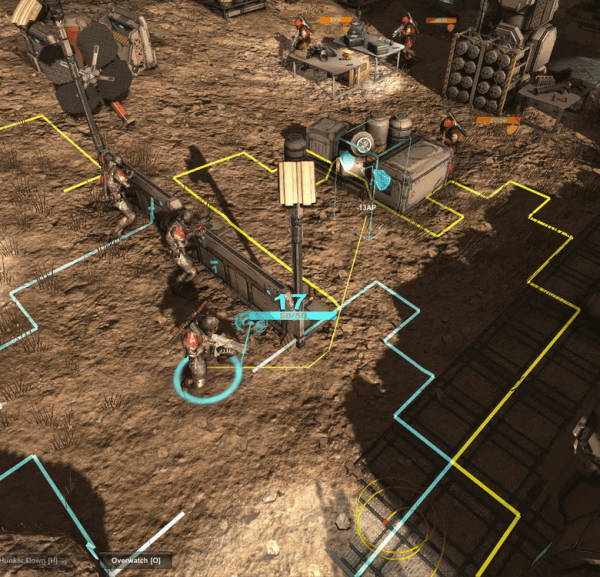
We analyze how cone-based reactions in recent tactical games have changed infantry movement. This piece explores how turn-based combat becomes a game of spatial chess when guns are waiting. It breaks down the zone control logic defining modern strategy games.
Why Factions Feel Different: A Study in Asymmetric Design

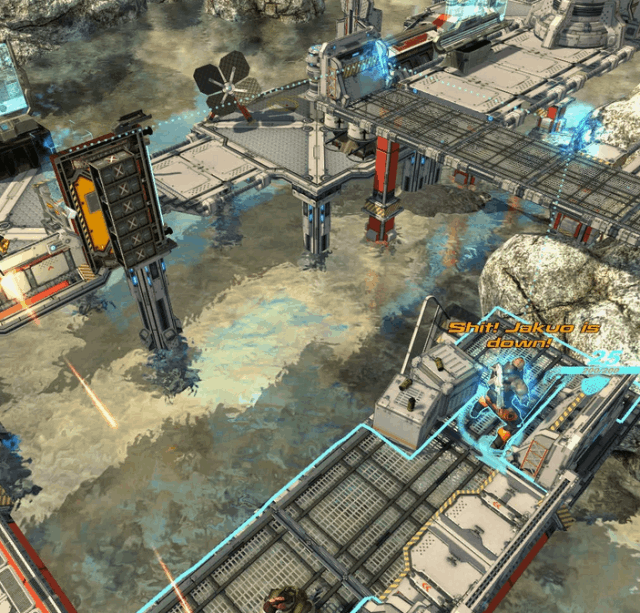
This article dives into how developers use asymmetry to create unique turn-based games experiences. We detail how imbalance can actually be a feature in well-designed tactical games. It’s a must-read for anyone who loves the "rock-paper-scissors" layers of turn-based combat.

From Pixels to Polygons: The Legacy of the 90s Tactical Era

We take a nostalgic trip back to the classics that paved the way for today’s strategy games. We explore how limited technology forced developers to perfect turn-based combat logic. This retrospective highlights mechanics in old turn-based games that still outshine modern attempts.
Games as a Great Relaxation with Friends

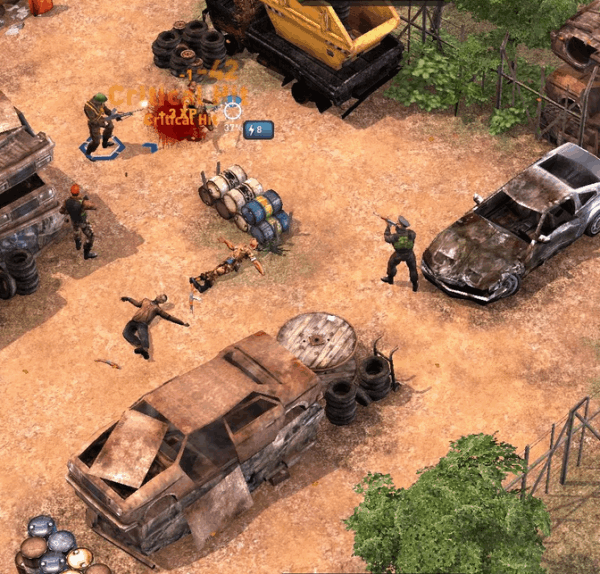
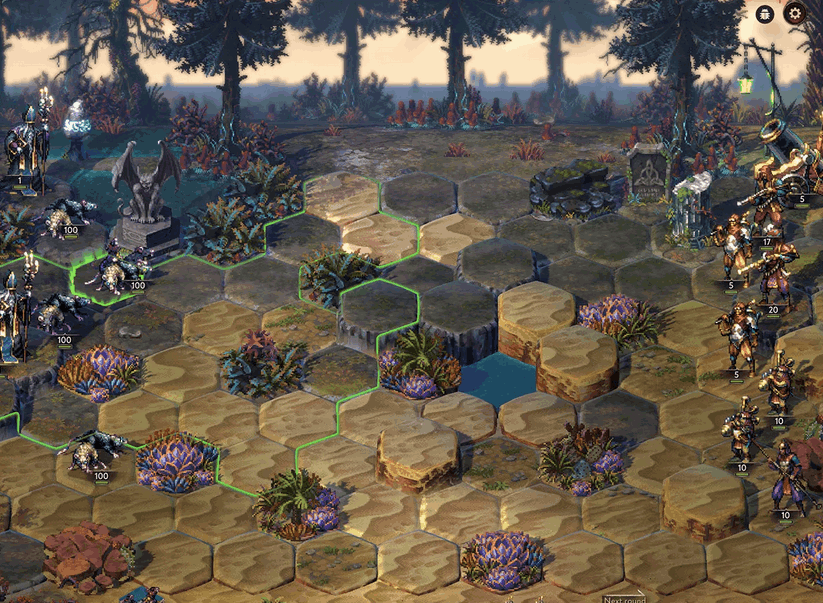
We believe that tactical games provide the perfect social framework for a relaxed evening. Unlike twitch shooters, turn-based games allow you to discuss moves, sip coffee, and laugh over catastrophic misses together. The cooperative nature of certain strategy games builds a unique camaraderie through shared planning. You aren't just reacting; you are collectively solving a complex problem presented by turn-based combat.

Hot-seat modes in classic turn-based games create a living-room experience that modern online titles often miss. The slow pace of strategy games makes them accessible for friends who might not share the same mechanical reflexes. We advocate for using tactical games as a tool for social bonding, where passing the controller or debating a move is part of the rhythm. The drama generated by a missed 95% shot in turn-based combat is a universal language of friendship and rivalry.

Frequently Answered Questions

A true turn-based game strictly separates planning phases from execution phases, giving you unlimited time to issue commands. Unlike real-time strategy, turn-based combat waits for your input before the enemy reacts, making it purely cerebral. Many modern tactical games use a "phased" system blending both, but the core principle is the absence of a ticking clock.

Many players prefer turn-based combat because it prioritizes intelligence over physical dexterity. It transforms victory from a reflex test into a logic puzzle, which is the hallmark of great strategy games. This makes tactical games a more relaxing yet intellectually demanding hobby.

No, they are just difficult in different ways. While turn-based games remove the stress of speed, they often simulate much deeper rulesets and consequences. The difficulty in tactical games comes from outsmarting complex AI routines rather than clicking faster.

We recommend strategy games that feature a simple "hit chance" display and forgiving early-game tutorials. Look for tactical games that focus on small squad sizes so you aren't overwhelmed by the action economy. Many modern turn-based games include "story mode" difficulties that ease you into turn-based combat.

Focus on reading the ability descriptions carefully within the turn-based combat log and asking "why" you lost a unit. The best way to improve at tactical games is to experiment with off-meta builds in a safe sandbox environment. Learning the fundamental math of strategy games makes you a more flexible player than any guide.

Contact Us